

Raising chickens can be so rewarding and it isn’t as difficult as it may seem. This guide is meant to cover the basics about raising chicks and chickens so that you can feel confident about starting your own flock.
Raising Chicks & Chickens:
A Beginner’s Guide

This post may contain affiliate links, meaning that purchases made through such links directly support this blog at no additional cost to you. You can find my full disclosure here.


Essentials for Raising Chicks & Chickens
Raising chickens isn’t as difficult as it might seem; however, you do want to be prepared. It can be easy to see the cute chicks at your farm and garden store and want to take them home that day, but it’s best to prepare a few things prior to bringing the tiny balls of fluff home. I am not an expert on raising chickens, but I will share what has worked for us.
Here is a list of what you will need:
Chicks
- A large metal bucket (We use a stock tank, but these work well too)
- Chicken wire to cover the chick tub
- Feeder (Base & Jar)
- Food
- Waterer (Base & Jar)
- Fresh water
- Bedding (We use wood chips)
- Heat lamp (Clamp lamp & bulb)
- Thermometer
Adult Chickens
- Chicken Coop (There are some great small flock options HERE, HERE, & HERE)
- Feeder
- Food (We like DuMOR and Nutrena)
- Waterer
- Fresh Water
- Bedding (We find straw works best in the nesting boxes but we use wood chips on the coop floor)
- A basket to collect your eggs!


Raising Chicks
Gathering the supplies listed above is one of the hardest parts about raising chicks. To prepare, set up your chick’s new home by spreading an inch or two of wood chips, setting out the water and food, and preparing your light. The light should be about 2 feet above the chicks and well secured to reduce risk of fire. Try to keep the water and food away from the light so that the chicks don’t have to be directly under it while eating or drinking. Be sure to allow them space to be away from the light. You will know if they are too hot if they are moving themselves away from the light, or too cold if they are huddled right under the light. They are content when they are walking around or laying around in various areas. Keep a thermometer under the light to monitor the heat. The first week the temperature under the light should be 95 degrees Fahrenheit. Lower the temperature about 5 degrees every week. Once the chicks are fully feathered (around 6 weeks) they no longer need a heat lamp. If you live in a very cold climate or the temperature drops below 55 degrees Fahrenheit, older chicks may require a heat source to stay warm enough.
We live in New York where there is a law that you have to purchase a minimum of 6 chicks. Female chickens will lay eggs with or without a rooster. If you do choose to get a rooster, it is recommended to have a ratio of 11-12 hens per rooster.
*Be sure to wash your hands after handling chicks and chickens, especially children.


Continued Care for Chicks
When we have new chicks, we always dip the tip of their beak in the water source before placing them in their new home. This shows them where their water source is. They will naturally find the food. Be sure to provide them with food made especially for chicks. You will have to make the decision between medicated and un-medicated. We have used both, but tend to lean more towards medicated to ensure health. Be sure to provide your chicks with fresh water. Chicks should always have access to food, so be sure to keep it filled. They will also need fresh woodchips. Depending on the size of your chick coop and how many chicks you have will determine how often the wood chips need to be changed, but about once a week is a typical time frame.

Don’t be alarmed when your chicks come smooshed in a small box, it keeps them warm until they get under the heat lamp


Choosing the Best Chicken Breeds
There are several breeds of chickens. You want to be sure you select breeds that meet your needs and your climate. We live in New York and our flock free ranges year round so we always look for cold hardy birds. Free ranging means the birds are able to roam around and explore all day, free from fences or boarders. We have found almost every breed has done well with this. I am not an expert on chicken breeds, but I will give a brief overview of the breeds we have had, what we liked most about them, and important considerations to take before buying. Also, we select breeds mainly for their egg laying qualities. If you are looking to raise meat birds, you may consider other breeds that are intended primarily for that purpose.

Alsterior Chickens
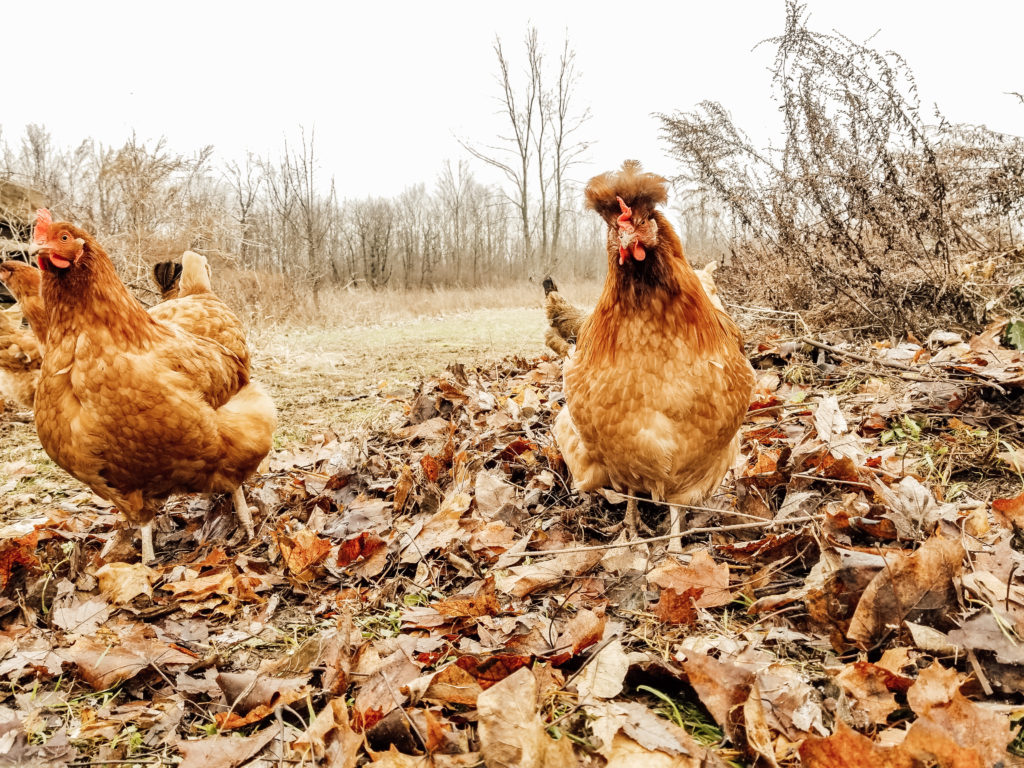
The chicken in the middle in the picture above with the feather ‘crown’ is an Alsterior. This breed is one of the oldest and pretty difficult to find. We ordered hatching eggs online and maintain a few of this breed currently. We love their look and their light cream to white color eggs. They seem to be cold hardy and do well with free ranging. The only down side is that they do not lay a lot of eggs. You can expect a few per week.


Americauna (Easter Egger) Chickens
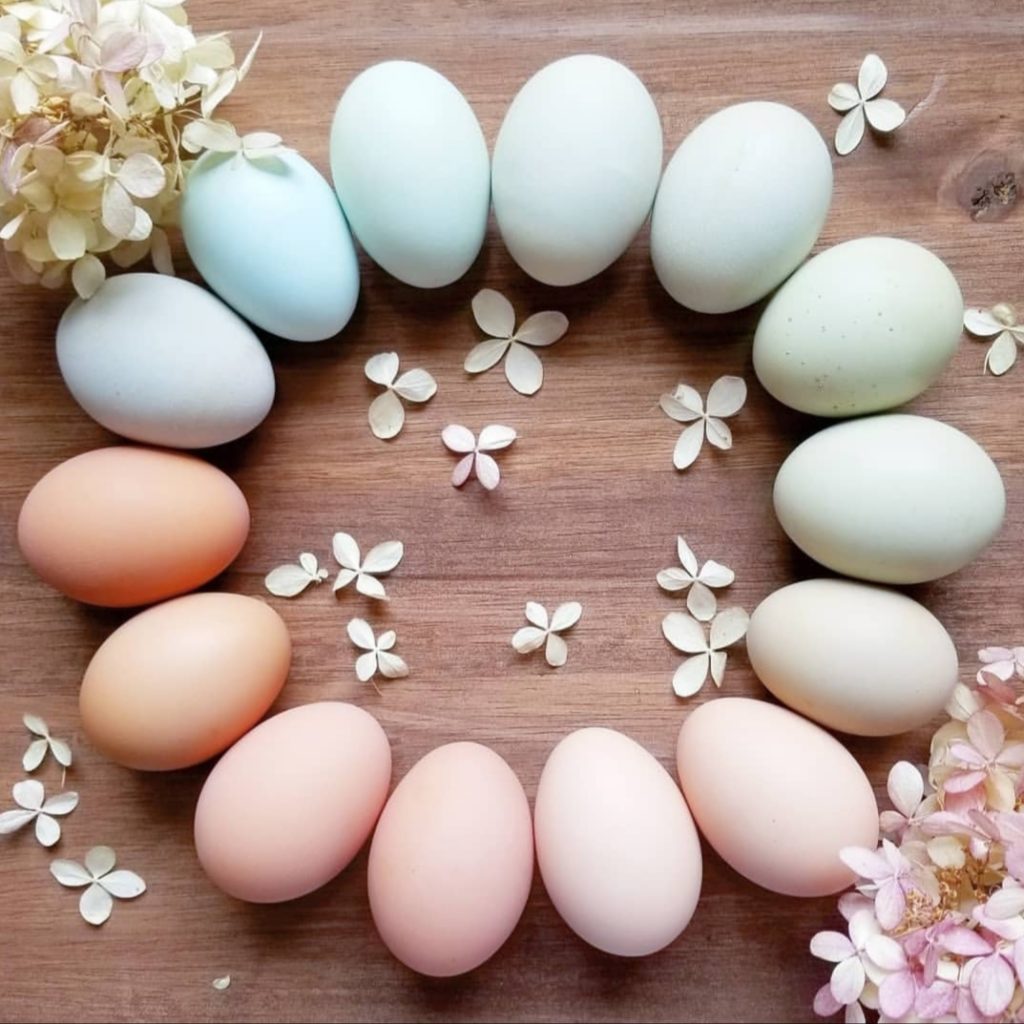
This is by far one of our top favorite breeds. They are called both Americaunas and Easter Eggers. Based on what I have read, there are very few ‘true’ Americauna breeds. All I know is that these chickens have great personalities, lay very pretty light blue and green eggs, and they lay a lot of them! I also love their fluffy cheeks that sometimes wrap around to look like a full beard. Our Easter Eggers lay 5-6 large eggs each week. They are also cold hardy and great free rangers. I can not recommend this breed enough!

Barnyard Mix Breed
You likely wont come across any ‘Barnyard mix’ chickens from online hatcheries or farm and garden stores, but I figured they are worth mentioning. A Barnyard mix is basically what it sounds like, random chicken breed crosses with little rhyme or reason. From experience, if you cross breeds that have traits you like, you will end up with pretty awesome chickens. Rosie, pictured above, is a cross between a Buff Orpington rooster and Rhode Island Red hen. She is one of my favorite chickens. She has a great personality, will run up to say ‘hi,’ is cold hardy, and lays a lot of large brown eggs. If given the opportunity to Barnyard mix chicks, just make sure that you like the traits of the chickens that the chicks are coming from. For example, if it may include bantams (a smaller breed of chickens), realize the offspring may lay smaller eggs and depending on the variety and climate could require an additional heat source during colder weather, even as adults.

Buff Orpington Chickens
Buff Orpingtons are another one of our favorite breeds. These chickens are cold hardy, great free rangers, and lay a lot of large brown eggs. They have great personalities too – don’t be surprised if they run up to say hi to you when they see you. Right now we have a Buff Orpington that comes to our house door every afternoon, sits in our wicker chair on the patio, and lays her egg. This is a great breed to start with!

Partridge Cochin Chickens
We got this breed by chance when we received a random chick by ordering through an online hatchery. That is how our first Cochin got his name, Randolph, or Rando for short (the random chicken). I loved Randolph and his furry feet but he went missing one day while free ranging. This is another breed that is a bit trickier to find. I bought hatching eggs to gain more of this breed. Again, we found this breed was not the best for free ranging in our experience. They lay a medium sized light brown color egg.
Olive Egger Chickens
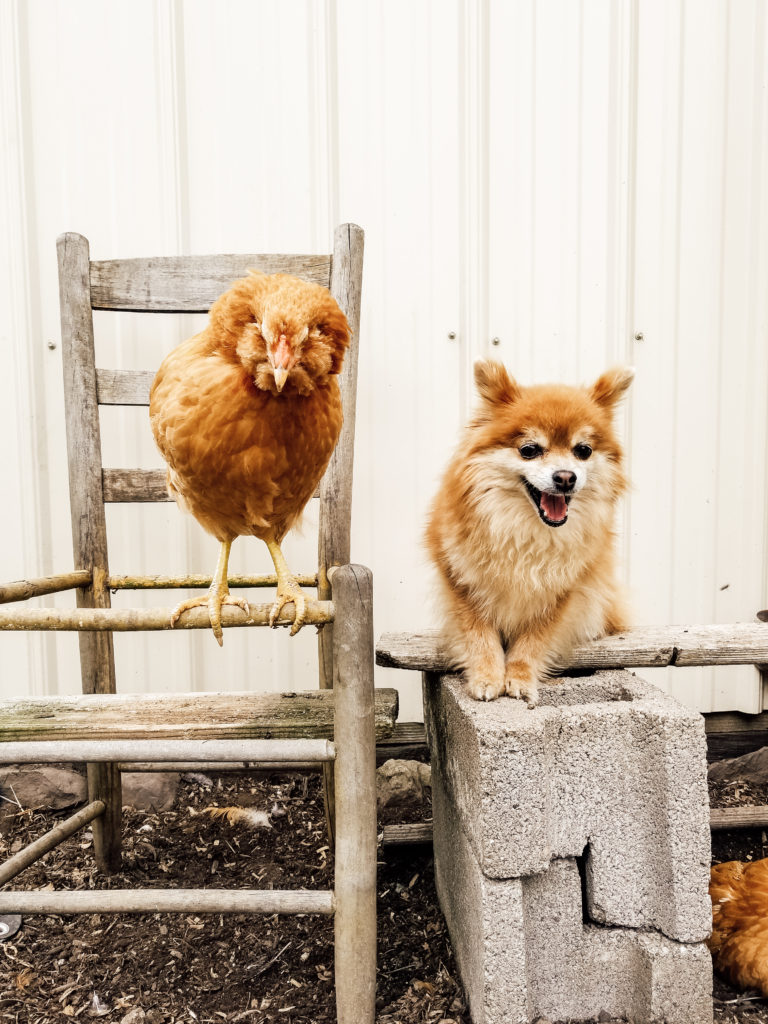
An Olive Egger is a cross between a blue egg layer and a brown egg layer. The result is a bird that lays a green egg, hence the name. Its no surprise that my top favorite chickens of all time comes from crossing my two favorite breeds – Americaunas/Easter Eggers + Buff Orpingtons. The chicken above, Buttercup, is a cross from a Buff Orpington rooster and Americauna hen. Her and her twin have great personalities, are great free rangers, and lay a lot of light olive color eggs. I love how she has the lighter buff coloring with those fluffy Americauna cheeks.

Rhode Island Red Chicken Breed
This is another favorite breed. Big Red, pictured above, is one of our friendliest chickens. She is always the first to run up and greet me and will follow me around the yard. She is great at free ranging, cold hardy, and lays a lot of brown eggs. This is another great breed to start out with.
Chicken breeds we are currently trying out
This year we are adding black Jersey Giants and Midnight Majesty Marans.


Caring for Adult Chickens
Adult chickens are pretty simple to care for. Be sure that they always have access to food and fresh water. They also enjoy treats, such as fruit and vegetable scraps. Our chickens especially love fresh ears of corn in the summer. There are different opinions on feeding chickens bread, but we choose not to provide any bread to prevent upset stomachs. Chickens also love digging in the dirt for worms and bugs. If possible, provide them with loose dirt or sand that they can take dirt baths in. They love to burrow down into it and it helps to keep them clean and free of lice.
Chickens also need safe shelter, especially at night. Be sure to lock up their cage when they go in at night to prevent any unwanted visitors. Chickens will naturally go back to their shelter at dusk. They also like to roost, so be sure to provide a way for them to roost high up in their shelter. Don’t forget to provide boxes for them to lay eggs in. These should be lower than where they will roost. If you have a coop on wheels (like ours) do not move it too far at once, or your flock may have a difficult time finding where to go at night.


Chicken Eggs
Hens will begin laying eggs around 6 months of age. They will start out smaller in size and become larger and more frequent over time. Farm fresh eggs are good for two weeks on the counter (this may not be the case in extremely warm climates). Once eggs are refrigerated they must remain refrigerated until consumed. Be sure to collect the eggs daily. You do not need a rooster for a hen to lay eggs. However; if you have a rooster eggs will likely be fertilized. This makes no difference unless the eggs are incubated or left for a hen to sit on. If you have a rooster and do not plan on hatching eggs, it is especially important that you collect them daily. 


Raising Chickens: Summary
Thank you so much for stopping by the blog. If you are considering adding chickens to your homestead, I hope you have found this post helpful in some way. If you have questions that weren’t answered please feel free to leave them in the comments and I will be happy to answer them!
See more of our chickens and farm life on Instagram Diana Marie Home & Flint Creek Farm. 


This post was so informative! I’d love to do this one day. Definitely saving this for later…Thanks so much!
Hi! Do you have building plans for your coop?
I don’t have building plans, my dad custom built it to fit a salvaged trailer base. I’m sorry!